





Foot Pain Relief
Share on:
Foot Pain Relief With Flanax
Foot pain can affect everyday movement, work, exercise, and comfort. It may appear in the heel, arch, toes, ball of the foot, ankle, or surrounding soft tissues. For many adults, foot discomfort is linked to long hours of standing, repetitive movement, poor footwear, overuse, or inflammation.
Because the feet support the body with every step, even mild soreness can make walking, standing, or daily activity more difficult. Understanding the cause of foot pain can help guide the right relief strategy.
Flanax offers non-opioid pain relief options that may help relieve minor aches and pains when used as directed.
Common Causes of Foot Pain
Foot pain can come from many sources, including strain, inflammation, footwear, activity level, and pressure on the heel or arch. Some causes develop gradually, while others appear after a long workday, exercise, or a sudden increase in movement.
Common causes of foot pain include:
- Standing or walking for long periods
- Work-related strain from hard floors, lifting, or constant movement
- Unsupportive or tight footwear
- Overuse from running, sports, or high-impact activity
- Heel or arch irritation, including plantar fascia discomfort
- Inflammation of muscles, tendons, joints, or soft tissues
- Age-related stiffness or joint discomfort
Identifying the most likely cause can help determine whether rest, footwear changes, stretching, topical support, or oral pain relief may be appropriate.
Common Symptoms of Foot Pain
Foot pain can feel different depending on the area affected and the underlying cause. Some people feel sharp heel pain, while others experience arch soreness, aching, swelling, stiffness, or fatigue after standing or walking.
Common symptoms include:
- Heel pain or tenderness
- Arch pain or soreness
- Pain in the ball of the foot
- Swelling, warmth, or sensitivity
- Burning, aching, or throbbing sensations
- Stiffness after rest or first steps in the morning
- Pain that worsens after standing, walking, or physical activity
If foot pain is severe, persistent, associated with injury, or makes it difficult to walk, consult a healthcare professional.
Heel, Arch, and Plantar Fascia Pain
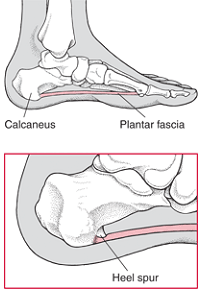
Heel and arch pain are among the most common forms of foot discomfort. They may be linked to irritation of the plantar fascia, pressure on the heel, overuse, tight footwear, hard walking surfaces, or repeated impact from work or exercise.
The plantar fascia is a band of tissue that supports the arch of the foot. When this tissue becomes irritated, pain may appear near the heel or along the bottom of the foot, especially during the first steps in the morning or after long periods of rest.
Heel pain may also be associated with inflammation, repetitive strain, or bony growths commonly known as heel spurs. These conditions can make standing, walking, or climbing stairs uncomfortable.
Common triggers include:
- Standing for long periods on hard surfaces
- Running, jumping, or high-impact activity
- Unsupportive shoes or worn-out footwear
- Tight calf muscles or limited foot flexibility
- Sudden increases in walking or exercise
- Extra pressure on the heel or arch
Heel discomfort can also be related to irritation around the Achilles tendon or bursae near the heel. These issues may cause tenderness, swelling, or pain at the back of the heel, especially during walking, climbing stairs, or wearing shoes that rub the area.
Rest, supportive footwear, stretching, and appropriate pain relief with products such as Flanax Pain Reliever Tablets and Flanax Liniment may help manage everyday heel and arch discomfort.
Foot Pain From Standing All Day
Standing or walking for long periods can place repeated pressure on the feet, especially the heels, arches, ankles, and ball of the foot. This type of discomfort is common among adults who work long shifts or spend most of the day on hard surfaces.
Foot pain from standing all day may involve muscle fatigue, inflammation, swelling, or irritation of the soft tissues that support the foot.
People who may experience standing-related foot pain include:
- Retail workers
- Nurses and healthcare workers
- Warehouse and factory workers
- Restaurant and hospitality staff
- Teachers and service workers
- Active adults who walk or exercise frequently
Supportive footwear, rest, stretching, and appropriate pain relief options may help relieve everyday foot soreness related to long hours of standing or walking.
Relief Options: Flanax Tablets + Flanax Liniment
Foot pain may involve both internal inflammation and localized soreness. For that reason, some adults use a combination of oral and topical pain relief as part of their routine.
Flanax Pain Reliever Tablets contain naproxen sodium, an NSAID that may help relieve minor aches and pains associated with inflammation when used as directed.
Flanax Liniment provides topical support for localized discomfort with ingredients such as capsaicin, menthol, and methyl salicylate.
Together, Flanax Pain Reliever Tablets and Flanax Liniment may help address different aspects of everyday foot discomfort, including soreness after standing, walking, or physical activity.
Always read and follow the product label. Ask a healthcare professional before use if you have questions about whether these products are appropriate for you.
FAQs About Foot Pain Relief
What causes foot pain after standing all day?
Long hours of standing can place repeated pressure on the heels, arches, ankles, and soft tissues of the foot. This may lead to soreness, fatigue, swelling, or inflammation-related discomfort.
What helps relieve heel or arch pain?
Supportive footwear, rest, stretching, and appropriate pain relief may help with everyday heel or arch discomfort. If pain is severe or persistent, consult a healthcare professional.
Can Flanax be used for foot pain?
Flanax Pain Reliever Tablets may help relieve minor aches and pains when used as directed. Flanax Liniment may also provide topical support for localized soreness.
Are Flanax products non-opioid?
Yes. Flanax Pain Reliever Tablets and Flanax Liniment are non-opioid pain relief options.
When should I see a healthcare professional for foot pain?
Consult a healthcare professional if foot pain is severe, persistent, caused by an injury, associated with swelling or redness, or makes it difficult to walk.